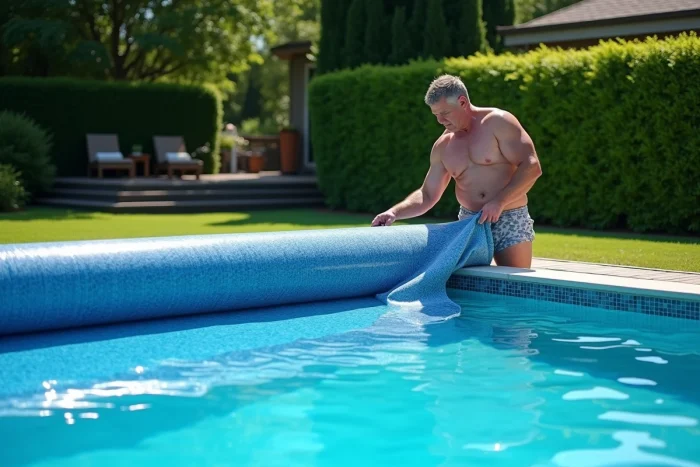
A poorly chosen cover can reduce the energy efficiency of a pool by 30% in summer, according to manufacturers’ technical data. However, some recent models boast superior durability but provide only a slight thermal gain if their weight or thickness does not match the actual needs of the pool. Price differences between two bubble covers of the same size can sometimes reach 40%, mainly due to differences in UV treatment, bubble shape, or rolling systems. Selection criteria are evolving rapidly, under the pressure of new environmental standards and innovations expected by 2026.
Why the bubble cover has become essential for heating your pool
The bubble cover has quickly established itself as a game-changing piece of equipment for maintaining the water temperature in private pools. For the past ten years, few owners have not noticed that famous gap of 3 to 5°C more. Beneath a discreet appearance, this accessory plays a crucial role: its polyethylene structure, punctuated with air bubbles and treated against UV rays, creates a barrier against thermal losses and harnesses the solar heat accumulated during the day.
Its effectiveness does not stop there. In terms of maintenance, it drastically limits evaporation, reducing losses by up to 90%. The result: you fill the pool much less often, the water stays clearer, and the consumption of chemicals decreases significantly. It’s the promise of a pool that is both more ecological and easier to manage.
Manufacturers are striving to bring visible improvements: reinforced thicknesses, optimized colors, anti-algae treatments… The most advanced models are sometimes custom-made to fit the pool precisely. If you want to go further and achieve tangible results on swimming comfort, choosing a heating cover for your pool is now the pragmatic choice to optimize heating without inflating electricity bills or relying entirely on mechanical systems.
| Advantages of bubble covers | Observed data |
|---|---|
| Reduction of evaporation | -90% |
| Temperature gain | +3 to +5°C |
| Decrease in the use of chemicals | Yes |
What criteria should be prioritized to select the most effective heating cover in 2026?
Thickness, density, and resistance: three parameters that make the difference
Thermal comfort depends not only on the quality of the material but also on the thickness of the bubble cover. Serious professionals recommend a minimum of 400 microns, a standard that is confirmed in the most robust models. These thicknesses offer an interesting compromise: they ensure good insulation and a lifespan that often exceeds expectations, especially if maintenance is followed.
In daily use, the resistance of the bubble cover to chlorine, UV rays, and repetitive use becomes a decisive criterion. Budget products tend to age poorly, while UV-treated covers or those designed to withstand water treatments maintain their qualities season after season. The initial investment is therefore largely compensated over time.
To help you navigate, here are the two most common thickness formats:
- Bubble cover 400 microns: the standard for regular use, combining good thermal properties and lightness.
- Bubble cover 500 microns: a step up for those seeking more resistance to the sun and optimal longevity.
Adjusting to the dimensions of the pool remains crucial. A cover that is too small or poorly cut allows heat to escape. Take the time to measure precisely, including rounded corners or atypical shapes. Tip: store the cover in the shade as soon as it is not resting on the water to preserve its integrity, and adjust your choice based on the frequency of your chemical treatments. In short, the trio: material, thickness, custom cutting, builds true performance.
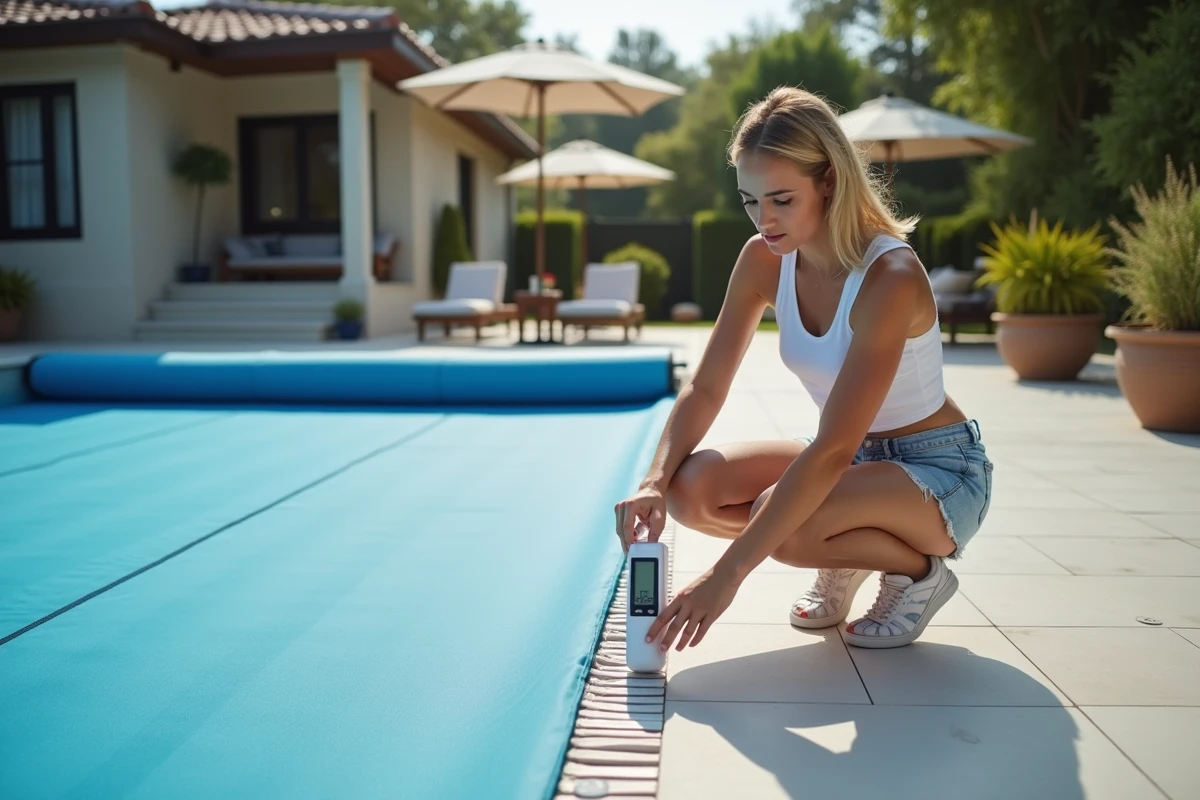
Comparison of bubble cover models: advantages, innovations, and tips for making the right choice
Current generations: thermal efficiency and resistance to the test of time
The market for bubble covers is evolving quickly. Polyethylene products retain the heat stored during the day and reduce evaporation, which avoids having to frequently restart an energy-consuming heating system.
But design is evolving. The Geobubble bubble cover exemplifies this trend: the oval shape of the bubbles, combined with reinforced thickness, allows for better resistance to treatments and aggressive sunlight. The result: a longer lifespan, coupled with increased insulation, especially during cool nights.
Another segment is progressing: Sol Guard films with a transparent structure, enriched with stabilizers. They capture a larger portion of UV rays and heat the water faster, highly sought after for pools exposed to full sun.
Here are the alternatives to remember:
- Geobubble cover: remarkable resistance, suitable for pools that are frequently treated.
- Sol Guard cover: rapid temperature rise, perfect for maximizing solar radiation.
There is also the bar cover for those who prioritize safety and insulation. Heavier, it prevents falls and retains the captured heat during the night.
Finally, it is hard to beat a custom bubble cover for those who want a perfectly adapted cover: more efficiency, less loss. Investing in quality, precision, and robustness ensures long, peaceful swims, and water that remains inviting, season after season. Close your eyes for a moment: the pool shimmers, and summer doesn’t stop when night falls.