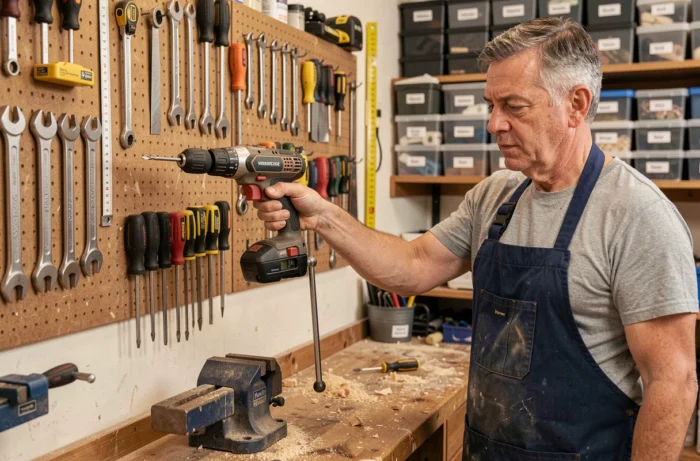
We assemble a shelf, we refurbish a flea market find, we reattach a baseboard that has been peeling for six months. Each DIY project starts with the same reflex: rummaging through a drawer in search of a tool we’ve never had, or one we lent out and never got back. Before discussing brands or catalogs, the real question is about what is truly useful, what can be rented, and what deserves a durable purchase.
Battery and compatibility: the criteria that tool lists often overlook
When choosing a cordless drill or jigsaw, we look at power, sometimes weight. We almost always forget about the battery. Yet it is the battery that determines autonomy, long-term cost, and the versatility of all powered tools.
The current trend is towards interchangeable battery platforms among several tools from the same brand. Buying a first tool with two batteries, then supplementing with devices sold as “bare tools” (without battery), significantly reduces the bill. This point deserves to be checked before any purchase.
Recent European regulations now govern the durability, traceability, and collection of lithium batteries. Therefore, it is in our best interest to choose a manufacturer that guarantees the availability of its batteries for several years rather than a budget brand whose references disappear after two seasons. To explore the equipment available on Oh Brico, comparing battery platforms remains a good starting point.
Repairability of DIY tools: buy less, keep longer
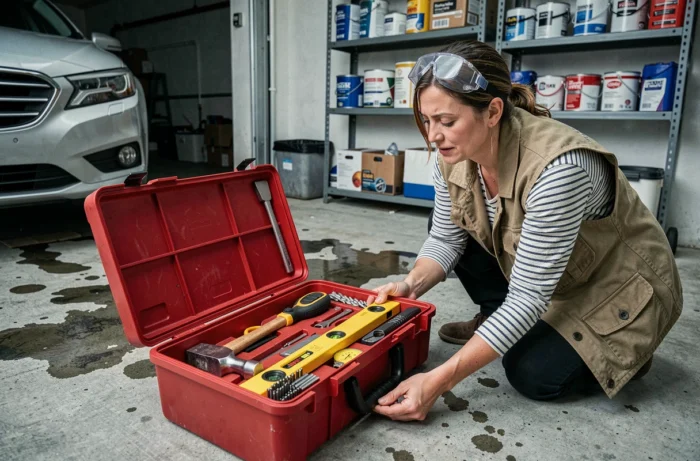
A budget screwdriver that breaks after three months may be cheap individually, but buying it four times a year costs more than a durable model purchased once. This reasoning applies to almost all tools.
Repairability is becoming a standalone purchasing criterion. With the framework established by the AGEC law and extended producer responsibility, manufacturers are being pushed to make their equipment disassemblable and to provide spare parts. In practice, this means that one can replace the chuck of a drill or the carbon brushes of a grinder instead of throwing away the entire device.
Before buying an electric tool, check three things:
- Is the technical documentation available online (exploded view, part references)?
- Does the manufacturer announce a duration of availability for spare parts?
- Can the tool be disassembled with standard screws or with proprietary fasteners that are impossible to open?
A repairable tool that lasts ten years costs less than a disposable model replaced every two years, even if the initial purchase price is higher.
Buy or rent: deciding based on project frequency
The DIY market shows a general decline in spending, but powered tools remain the most sought-after segment. DIYers are increasingly weighing price, rental, and usability efficiency. This is a clear signal: renting specialized tools used once or twice a year makes more sense than storing them in a garage.
A heat gun for removing paint from shutters, a belt sander for flooring, a router for grooves: these tools are expensive, take up space, and are only used occasionally. Renting at a hardware store or between individuals meets this need without straining the budget.
On the other hand, everyday tools deserve a purchase:
- A versatile cordless drill, usable for drilling, screwing, and, with the right chuck, mixing compound
- A set of quality flat and Phillips screwdrivers with a comfortable handle
- A pair of adjustable pliers and a wrench, which together replace half a dozen fixed wrenches
- A five-meter tape measure and a spirit level, because no serious project starts without measuring
The rule is simple: if you use a tool more than three or four times a year, buy it. Otherwise, rent it.
Safety on the job site: the protections we consistently neglect
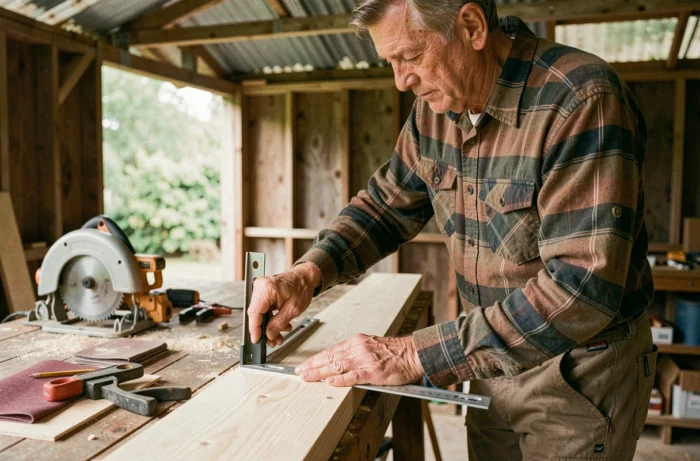
We think of safety glasses when drilling concrete, but rarely when cutting wood. Wood chips or splinters are still the most common cause of injuries in home DIY. Wearing safety glasses for any cutting or drilling operation should be automatic, not optional.
Work gloves suitable for the material being handled are also part of the minimum. A cut-resistant glove for handling glass or sheet metal is not the same as a standard handling glove. Feedback varies on this point among DIYers, but the consensus on the ground is clear: it’s better to have a glove that is too protective than to end up with a cut that requires an emergency room visit.
Hearing protection is the neglected aspect of equipment. A circular saw or angle grinder far exceeds the auditory comfort threshold. Molded earplugs or a lightweight noise-canceling headset cost a few euros and protect hearing over years of practice.
Last often overlooked point: the dust mask. Sanding compound, cutting MDF, or stripping paint releases fine particles. An FFP2 mask is sufficient for most common tasks and is widely available.
DIY equipment is not limited to the toolbox. A successful project relies as much on the protections worn as on the quality of the screwdriver. Starting with a few reliable, compatible, and repairable tools, and supplementing them over time remains the most solid strategy for progressing without wasting resources.