A poorly insulated home can double its energy consumption in winter, without guaranteeing a satisfactory indoor temperature. French thermal regulations now impose strict performance standards for any renovation or new construction, but many older buildings still escape these requirements.
Behind every insulation material lies a reality often absent from brochures. Some products boast exemplary performance on paper but reveal their weaknesses as soon as humidity intrudes or installation is lacking. Conversely, proven and constantly optimized materials stand out for their durability and reasonable cost, offering a reassuring balance.
Related reading : Discover the essential brands to boost your business in 2024
Why thermal insulation permanently transforms the comfort of your home
Installing effective insulation changes how you experience your home from today. Reducing heat loss is not just about lowering a bill: it’s about choosing a stable temperature in every season. With materials that have reliable thermal resistance, cold corners and overheated rooms are a thing of the past; the home becomes predictable and serene.
This benefit goes far beyond simply controlling the indoor climate. More than just a protective layer, insulation also affects acoustic tranquility: the commotion outside the window diminishes, and the constant hum fades away. Thermal lag, the way an insulator delays the flow of heat, plays a decisive role: whether in freezing winter or sudden heat, the atmosphere remains under control.
See also : Women's Fashion Trends: How to Enhance Your Style with Unique Pieces
It is now impossible to overlook the ecological stakes. Bio-based insulators are gaining ground. Cork, wood wool, and hemp are appealing for their ability to preserve air quality, with each resource carefully selected to combine comfort and environmental respect. For those who want to go further or seek advice, simply learn more about Maisonisor.
What are the most effective insulation techniques for each area of your home?
Walls: ITI, ITE, and innovative materials
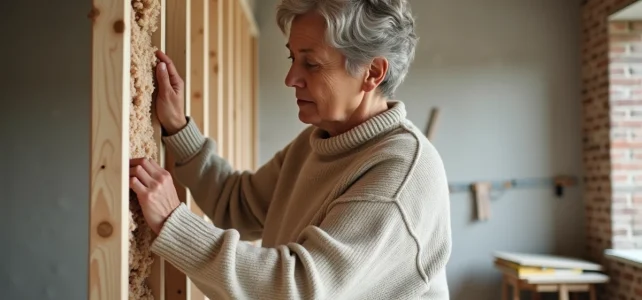
To address walls, two approaches are generally available: interior insulation (ITI) and exterior insulation (ITE). ITI relies on the installation of panels or rolls inside the room, often made of glass or rock wool, to ensure quick and discreet wrapping. ITE, on the other hand, encompasses the facade and nearly eliminates all thermal bridges, a significant advantage in terms of performance. Bio-based materials like wood fiber or expanded cork are sought-after solutions: they combine excellent thermal results with reduced lateral noise.
Roof and attic: sarking and cellulose wadding, key allies
The roof remains the main escape route for heat, accounting for up to 30% of losses. Sarking, installed above the framework, creates a homogeneous and permanent barrier. In lost attics, cellulose wadding and wood wool lead the way: these materials provide exemplary resistance during scorching summers as well as harsh winters.
Floors and floorboards: ensuring a homogeneous envelope
Often overlooked, the insulation of floors and floorboards makes a significant difference in comfort. Installing rigid foam or mineral wool panels under the slab not only limits heat loss but also reduces unwanted noise. The immediate result: a continuous barrier that enhances daily well-being.
Windows: investing in double glazing and thermal bridge breakers
The slightest weakness in a window can ruin all previous efforts. Investing in high-performance double glazing combined with the addition of thermal bridge breakers around the frame protects sensitive points. This duo is essential for completing the homogeneous envelope and ensuring temperate rooms, even when the temperature outside turns extreme.
Solutions tailored to your needs for an economical and pleasant home all year round
Take advantage of programs to finance your work
Nowadays, undertaking energy renovations is becoming more affordable. Several aids exist to lighten the expense, and they apply to all types of insulation work. They allow households to aim for better efficiency without blowing their budget. The amount and allocation of each aid depend on the project, the materials chosen, and the stated energy ambition.
Here’s an overview of the main financial support mechanisms currently available:
- MaPrimeRénov’: a grant calculated based on household income and energy savings
- Energy Savings Certificates: bonuses granted by energy suppliers
- Zero-interest eco-loan: an interest-free loan dedicated to high-performance renovations
- Local aids: extensive programs offered by local authorities
When choosing an insulator, looking towards bio-based solutions becomes a reflex. They significantly limit environmental impact and are easier to recycle. To compare these options, the environmental and health declaration sheets (FDES), accessible on inies.fr, provide a transparent overview of their benefits. Aiming for the BBC renovation level 2024 elevates your home to superior comfort: more moderate consumption, alignment with climate imperatives, and a more pleasant interior year after year.
At every stage, insulation transforms the story of the home. Walls, roofs, floors, and windows become barriers. Savings on bills, increased property value, regained peace of mind: insulation shapes an atmosphere that discreetly transforms everyday life.